
The first SilverZen survey explored how senior-friendly restaurants and cafés were, followed by an early one-to-five star rating concept for products and services.
Why SilverZen
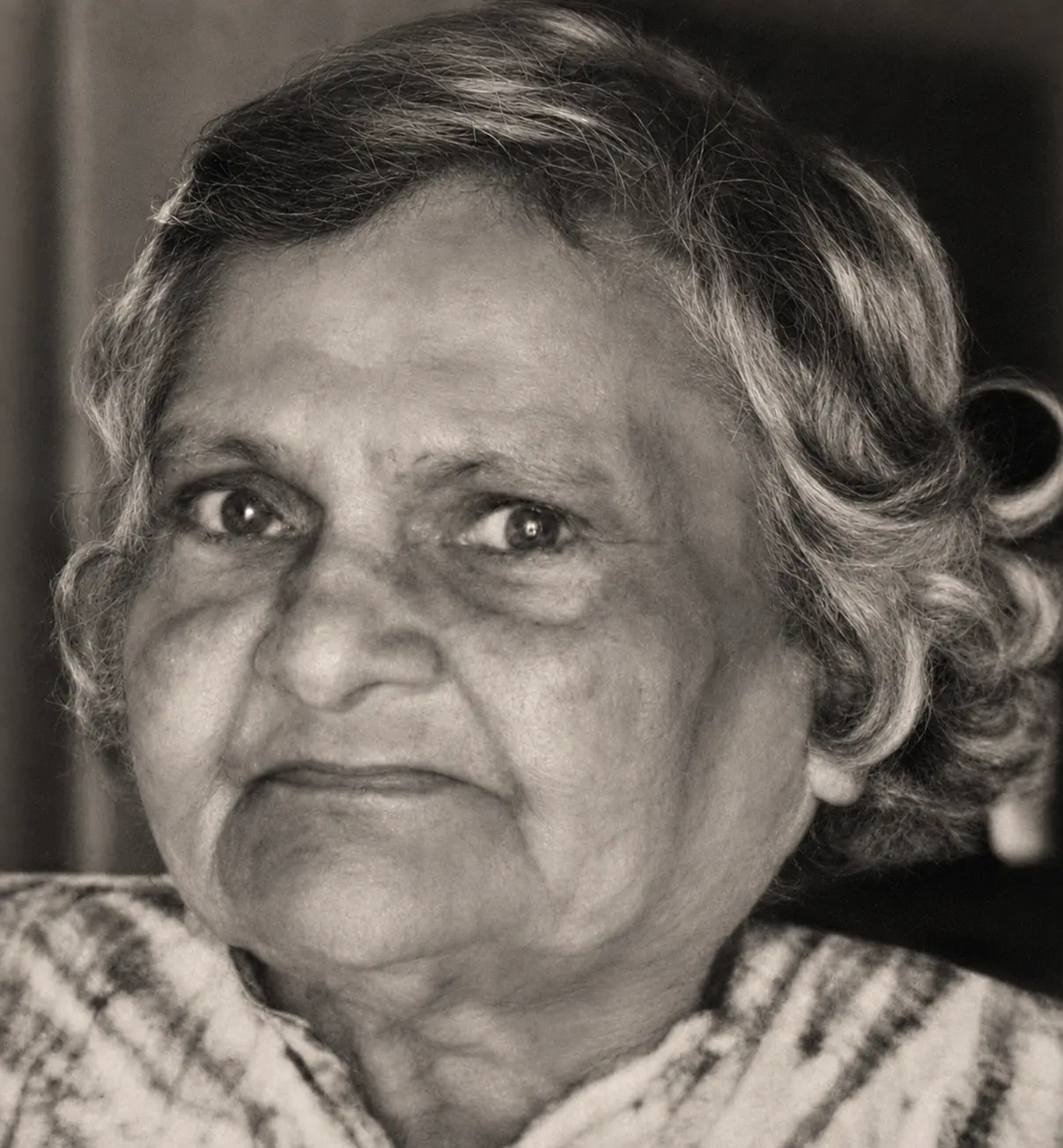
It began with a grandmother.
A child learned from her. Years later, he saw how the world became harder for her to navigate as she aged. SilverZen grew from a simple conviction: ageing should not make ordinary life unnecessarily difficult.
Our founding story2011 2026
From a childhood lesson to a lifelong idea.
SilverZen founder Nooruddin Ahmed remembers his grandmother first as a teacher: patient, capable and central to his learning. As she grew older, he began to notice a contradiction. She had not become less valuable, yet everyday environments increasingly demanded more from her.
Small print, hurried service, difficult journeys and unfamiliar technology could turn independence into dependence. The problem was not ageing alone. It was a world that too often failed to adapt.
AI and modern digital platforms made it possible to restart the dormant idea as a practical, evidence-led improvement system—without removing human judgement.
SilverZen exists to help organisations create a world in which older adults can participate with dignity, confidence and independence.
The demographic signal
This is not a distant or marginal shift.
Population ageing is changing the customer, workforce and operating context of organisations in every region.
people worldwide will be aged 60 or over by 2030.
people aged 60 or over are projected worldwide by 2050.
of older people are expected to live in low- and middle-income countries by 2050.
Source: World Health Organization, Ageing and health. SilverZen does not claim WHO endorsement.
The challenge
Good intentions can hide inconsistent experiences.
An organisation may offer ramps, priority seating or staff assistance and still create avoidable barriers through unclear signage, complex digital journeys, poor lighting, long waits or inconsistent service.
SilverZen brings these factors into one coherent senior-readiness model so leaders can distinguish visible initiatives from embedded organisational capability.
Why organisations should care
Readiness affects participation, confidence and operational quality.
More customers will encounter age-related changes in mobility, vision, hearing, cognition or confidence—even though needs vary widely between individuals.
A difficult drop-off, unclear sign, long wait or digital-only step may appear small in isolation but can combine into an abandoned or dependent customer experience.
Clearer information, safer movement, accessible buildings and meaningful human alternatives can also help families, people with disabilities and less-confident digital users.
Context: WHO Eastern Mediterranean age-friendly environments guidance.
Our principles
Built around dignity, evidence and action.
Older adults should be able to access services without avoidable dependence, confusion or discomfort.
High scores should ultimately be supported by policies, observations, records and customer experience.
The objective is a practical roadmap, not a superficial badge or unsupported certification claim.